


Autologous Rib Cartilage Rhinoplasty
- Minimal incision reduces scarring concerns
- Maintains stable nasal shape over time!
Hi, this is Riley from id Hospital! 👋
If you've searched for nose revision or the strongest material for long-lasting rhinoplasty, you've probably heard people say,
“The final stop for nose surgery is rib cartilage.”
And in Korea, that “final stop” usually means Autologous Rib Cartilage Rhinoplasty — a procedure that uses your own rib cartilage to rebuild, support, or refine the nose.
Most primary rhinoplasty surgeries use implants like silicone, but those can come with issues: inflammation, shifting, thinning skin, or repeated revisions.
Then comes septal cartilage → ear cartilage → and finally rib cartilage, which is used for high-difficulty or revision cases because of its strength and stability.
In today’s post, let’s quickly break down the materials used in rhinoplasty, why autologous rib cartilage is considered the best final option, and why id Hospital is known for it.
The Core of Rhinoplasty? Surgical Skill + Materials
A natural bridge and refined tip come from expert technique — and the right tissue selection.
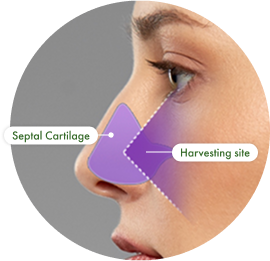 1. Septal Cartilage |
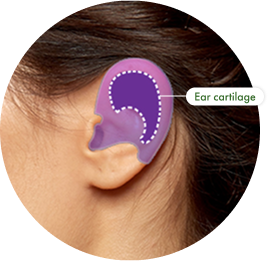 2. Ear Cartilage |
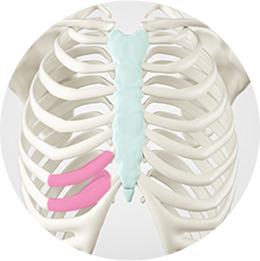 3. Rib Cartilage |
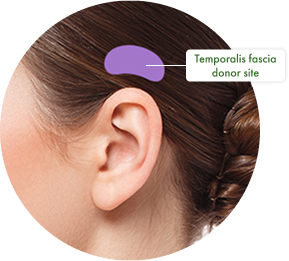 4. Temporalis Fascia |
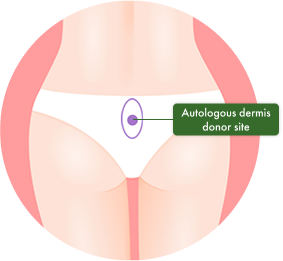 5. Autologous Dermal Fat |
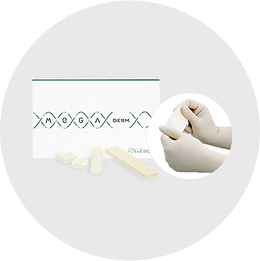 6. Donated Dermis / Donated Cartilage |
What is Autologous Rib Cartilage?
Autologous rib cartilage means cartilage taken from the patient’s own rib, commonly used in rhinoplasty, especially in revision or high-difficulty cases.
Because it’s your own tissue, it offers unmatched stability and compatibility — which is why Autologous Rib Cartilage Rhinoplasty is known as the gold standard for complex nose surgeries.
Why Use Autologous Rib Cartilage?
- No rejection — super low risk of inflammation or allergic issues
- High durability — ideal for revision surgeries that need long-term support
- Plenty of material — much more volume than ear or septal cartilage
- Shape stability — less chance of collapsing or deforming over time
Pros & Cons
Advantages
- Strongest, most stable cartilage for preventing tip collapse or warping
- Excellent for reconstructive cases (contracted nose, functional issues, deviated structure)
- Highly biocompatible with low inflammation risk
Disadvantages
- Slightly longer surgery due to harvesting
- Mild scarring or discomfort may occur (but minimized with small incision)
id Autologous Rib Cartilage Rhinoplasty Process
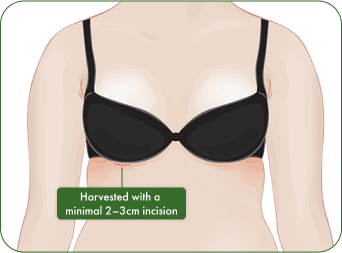
1. Minimal Incision |
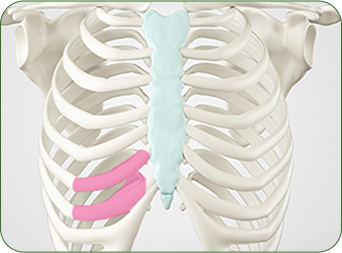
2. Harvesting Autologous Rib Cartilage |
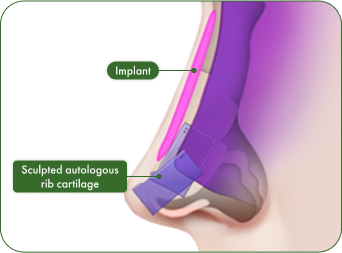
3. Designing Rib Cartilage Grafts |
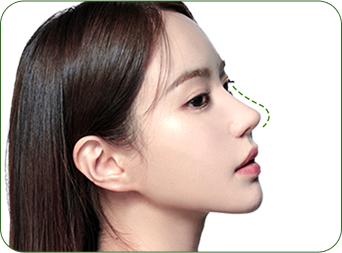
4. Creating a Natural Nasal Line |
What is the recovery time?
Most patients return to daily activities quickly.
Bruising and swelling vary by case, but the typical healing timeline is similar to general rhinoplasty, with full settling over several months.
Why id?
- Quick & Safe Cartilage Harvesting
Using a minimal 2–3cm incision, id harvests rib cartilage quickly and safely — with techniques that avoid pneumothorax risk. - Precise Cartilage Sculpting
Rib cartilage has a natural curve and can warp if not handled correctly.
id prevents this with precise cutting and reshaping techniques for long-term stability. - 30+ Years of Rhinoplasty Expertise
Surgeries are performed by specialists with extensive experience, ensuring safe and predictable outcomes.
Surgery Features
- 1 hour 30 minutes average surgery time
- Lower concern for scarring & swelling
- No hospitalization needed
- Quick return to daily life
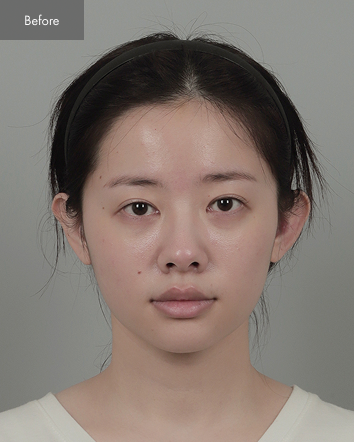
Before & After
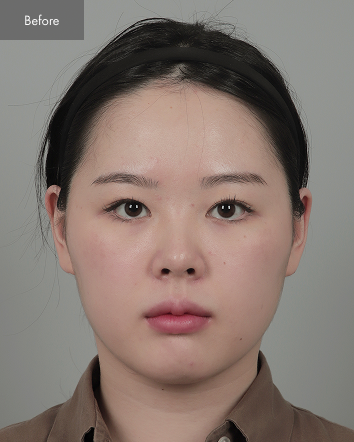 |
 |
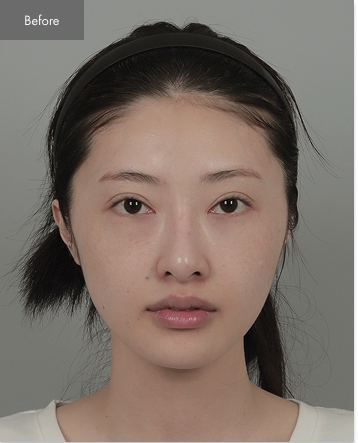 |
 |
 |
 |
Autologous rib cartilage is considered the strongest and most reliable material for high-difficulty rhinoplasty, revision surgeries, nasal tip support, and cases requiring additional volume.
When it comes to complicated nose surgery, the final destination is a hospital that truly understands bone, structure, and aesthetics —
id Hospital, Korea’s global medical group specializing in reconstructive, cosmetic, and regenerative medicine.
👉 Learn More
For more details on nose surgery at id Hospital

No comments:
Post a Comment